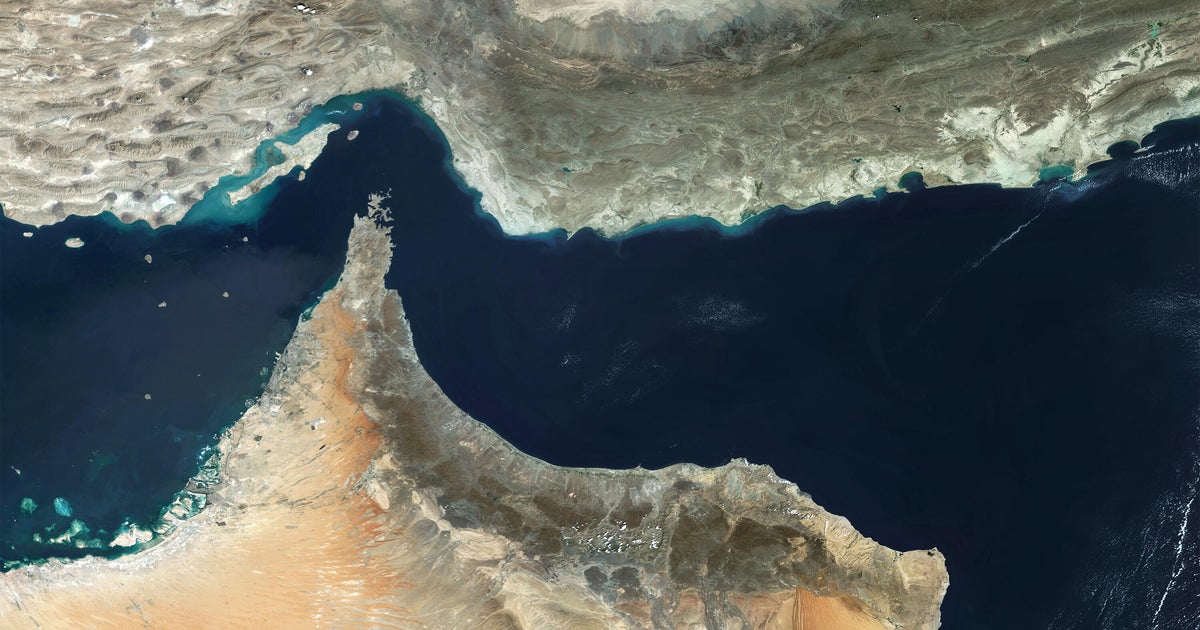
Following US-Israel strikes on Iranian targets, oil markets are bracing for significant disruptions to global oil flows, particularly through the Strait of Hormuz, which carries approximately one-fifth of the world's oil.
Analysts warn that prolonged closure of the strait could lead to storage tanks filling up, forcing Gulf producers to halt output, a scenario that could send prices sharply higher. While higher oil prices may benefit US shale producers, they also risk stoking inflation and economic pressure domestically.
Experts from Goldman Sachs, Pepperstone, and JPMorgan highlight that existing storage and infrastructure are not unlimited, and a closure exceeding 25 days could compel major Middle East producers to suspend output. The conflict has already led to rerouting and suspension of shipping services, with Qatar Energy halting LNG production due to facility damage, underscoring the potential for widespread energy market impact.
Why Oil Markets Can’t Shrug Off This Conflict(current)
Data sourced from public RSS feeds and News APIs.